Home / Articles
Alar Base Reduction for Flared Nostrils: What to Expect
Home / Articles
Alar Base Reduction for Flared Nostrils: What to Expect
You can have the most symmetrical eyes, the sharpest jawline, and smooth, glowing skin — but if your nose feels wide or “too noticeable” from the front, that’s often the first thing you see in the mirror. Especially for patients who feel their nostrils flare too wide when they smile or speak, the concern can become deeply personal.
If this resonates with you, you’re not alone. In South Korea — where facial harmony is highly valued — alar base reduction is a popular, low-profile solution for flared nostrils. And it’s far more common than you might think.
Let’s explore what alar base reduction actually is, why patients choose it, and what you can realistically expect from the process.
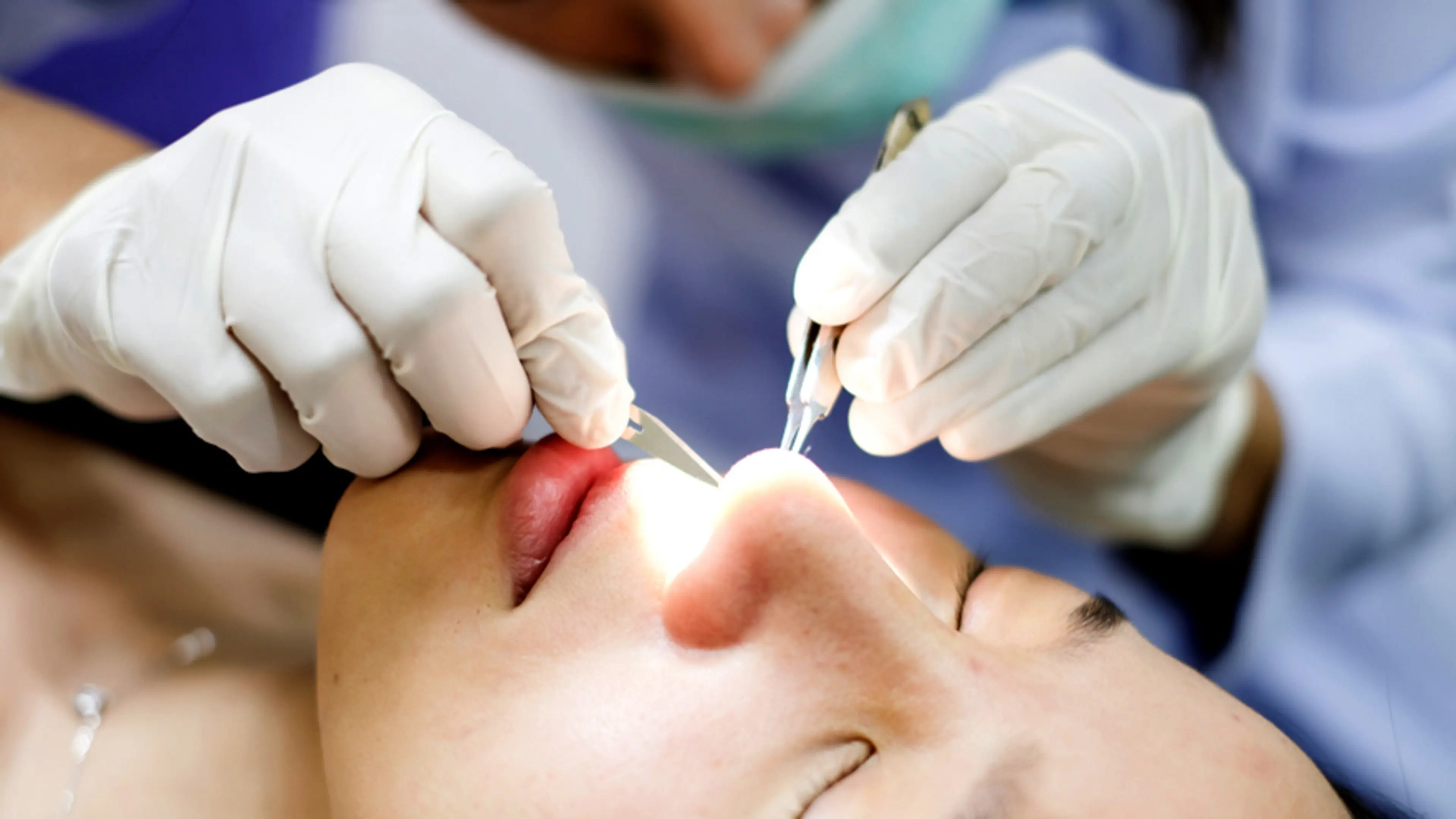
Alar base reduction is a surgical technique that narrows the width of the nostrils by removing small wedges of tissue at the base of the nose — specifically where the nostrils meet the cheek.
Think of it like tailoring — instead of altering the entire coat (as in rhinoplasty), you’re adjusting just the sleeves to create a better fit.
There’s no one-size-fits-all reason. For some patients, nostril width is genetic — inherited from parents or grandparents. In other cases, it may be related to ethnic nose characteristics (for example, more flared nostrils are common in African, Southeast Asian, and some East Asian facial structures).
But nostril flare isn’t always about size. It’s often about proportion. A nose that is technically “normal” in width may still appear wide if the rest of the facial features — especially the eyes, lips, and jawline — are more petite.
At Hugo Plastic Surgery, we’ve had patients say:
“My nose doesn’t look bad, it just draws too much attention.”
“When I smile, my nostrils flare even more — it makes me feel self-conscious in photos.”
This procedure is ideal for people who:
Feel their nostrils are too wide or flared from the front view
Want a more delicate, narrow nasal base without altering their nose bridge
Have realistic expectations and want natural results
May have already undergone rhinoplasty but still feel the nostrils appear wide
It’s also an excellent option for patients who want minimal downtime. Because it’s less invasive than full rhinoplasty, healing tends to be faster and more straightforward.
Here’s a step-by-step breakdown:
Precision begins with planning. Dr. Seonghyeok Yang — our lead surgeon at Hugo Plastic Surgery — uses detailed measurements and 3D facial balance analysis to mark exactly where the incisions will be made. These are often hidden in the natural folds where the nostrils meet the cheeks.
No two patients are marked the same. Even a 1mm difference can change the overall harmony of the result.
Local anesthesia with mild sedation is typically used, which means you’ll be relaxed but awake. General anesthesia may be offered if combined with other facial procedures.
The surgeon then carefully brings the skin together to reduce width and secure the new nostril shape.
The incisions are closed with very fine sutures — typically dissolvable or removed after about 5–7 days. A light dressing may be applied, though you won’t need an external splint like you would with a full rhinoplasty.
Most patients are pleasantly surprised by how manageable the recovery is.
To be honest, one of the most common regrets we hear from patients is:
“I wish I’d done it sooner.”
This is a natural concern — especially for patients who’ve never had facial surgery before.
We also provide post-operative scar care (such as silicone gel or laser treatment, if needed) to further ensure the most discreet outcome.
That said, changes in body weight, aging, or other nasal surgeries may subtly affect the overall appearance of your nose over time. But your new nostril width will remain stable.
If you’re someone who feels your nostrils “take over your face” or draw attention away from your eyes or lips, this minor adjustment can have a profound visual impact.
This is especially true for nostril refinement. Oversized nostrils can make the nose look flat or spread out — especially when smiling. A gentle narrowing helps restore softness to the midface and allows other features to shine.
At Hugo Plastic Surgery, we often compare this procedure to adjusting lighting in a photograph — you’re not changing the subject, just revealing it better.
Alar base reduction may seem like a minor procedure — and technically, it is. But the emotional payoff can be significant.
If you’re someone who avoids smiling in photos because your nostrils flare, or who feels their nose doesn’t quite match the elegance of their other features, this subtle surgical refinement can unlock a new level of self-confidence.
Let’s bring harmony back to your face, one small detail at a time.