Home / Articles
Do Thread Lifts Hurt? What to Expect From Start to Finish
Home / Articles
Do Thread Lifts Hurt? What to Expect From Start to Finish
At Hugo Plastic Surgery in Gangnam, we believe patients deserve clear, honest explanations — not just glossy before-and-after photos. A thread lift can be a wonderful option for the right patient, but understanding what the process feels like, and how comfort is managed from start to finish, is essential. Let’s walk through what really happens in a thread lift, step by step, so you know exactly what to expect.
A thread lift involves placing fine, absorbable sutures just beneath the skin. These threads act like a scaffolding system, gently repositioning tissues that have begun to descend with age. Over time, the threads also stimulate collagen production, which helps the skin maintain firmness and elasticity long after the sutures themselves have dissolved.
Unlike a surgical facelift, thread lifts do not involve cutting or removing skin. This makes recovery significantly faster and the overall effect more natural and understated. That’s one reason why thread lifts are especially popular among professionals and younger patients who want to look refreshed without announcing they’ve “had work done.”
Here’s the reality we share with our patients:
At Hugo Plastic Surgery, Dr. Seonghyeok Yang uses ultra-fine cannulas and meticulous techniques that minimize trauma beneath the skin. This significantly reduces both pain and downtime compared to older thread lift methods.
A safe, satisfying thread lift begins long before the first thread is placed. During consultation, Dr. Yang evaluates:
Skin thickness and elasticity
Degree of sagging in areas such as the cheeks, jawline, or brows
The patient’s goals and tolerance for downtime
It’s important to recognize that not everyone is an ideal candidate. If skin laxity is too advanced, a surgical facelift may offer better, longer-lasting results. By setting clear expectations, patients avoid disappointment and feel confident about the chosen path.
On the day of treatment, the skin is thoroughly cleansed and marked for precision. Local anesthetic — often a series of tiny injections — is applied to the entry points. For some areas, a topical numbing cream may also be used. This step may cause a brief sting or pinch, but it’s short-lived and ensures comfort during the rest of the procedure.
Many patients are pleasantly surprised at how manageable this step is, especially when guided by a calm, experienced surgeon.
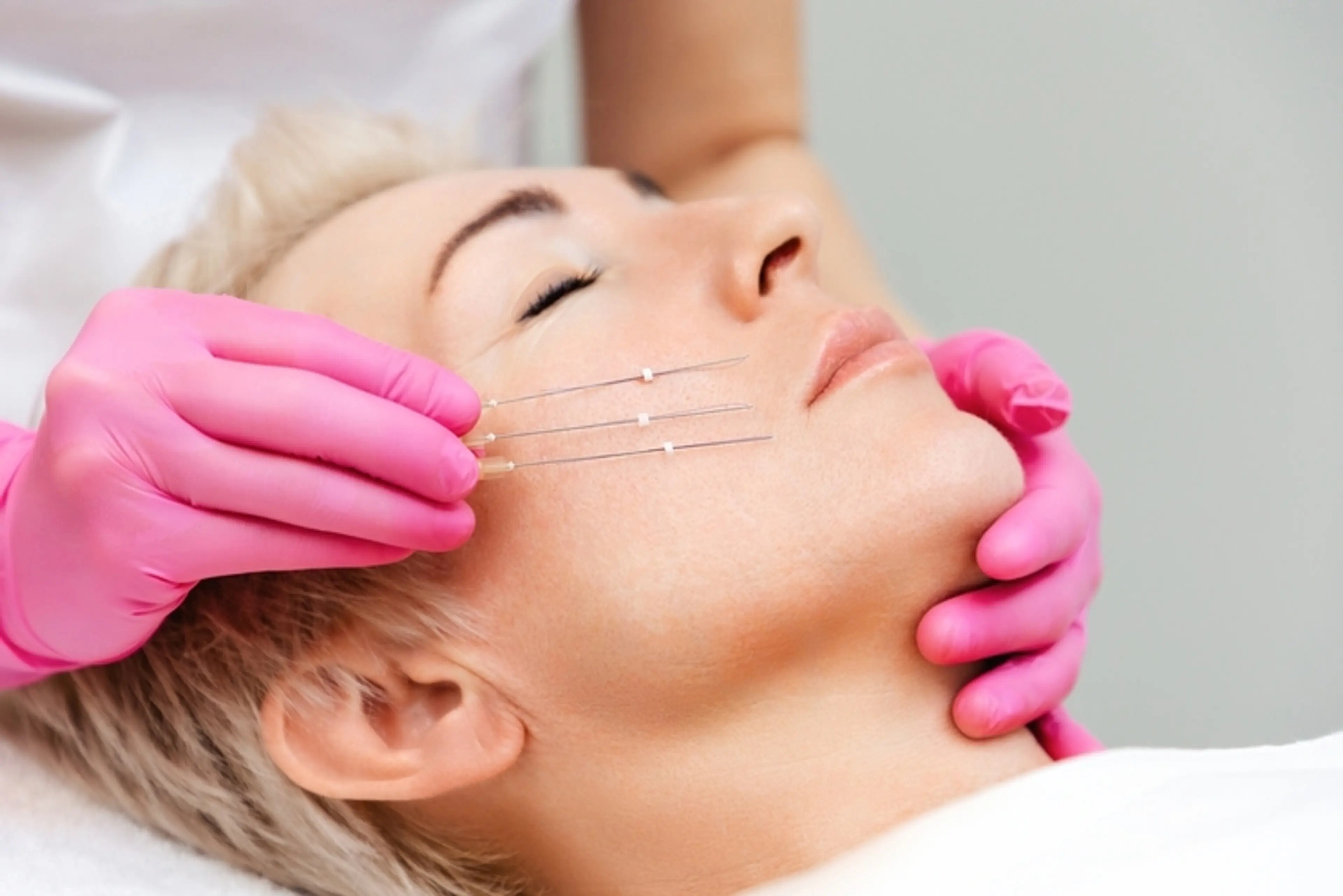
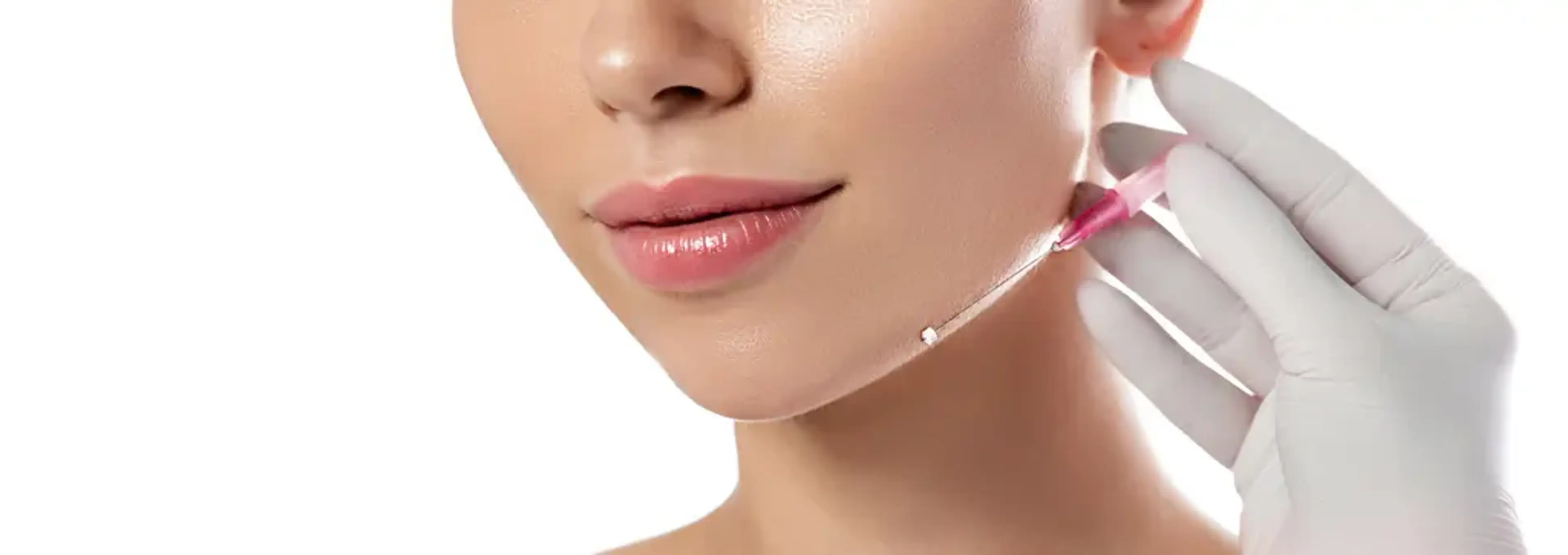
Using a fine needle or cannula, the threads are carefully guided beneath the skin. This requires both technical skill and an artistic eye. Patients may feel a pressure or tugging sensation as the thread moves into place, but not pain.
This part is best compared to the precision of a watchmaker aligning gears. Every millimeter matters — correct placement ensures that the lift is smooth, symmetrical, and natural-looking.
Once the threads are anchored, the surgeon gently adjusts them to create lift. This may feel like tightening, which some patients describe as unusual but not uncomfortable. Achieving symmetry between the left and right side of the face is essential, and it is here that surgical expertise really shines.
Immediately after the procedure, patients may notice slight swelling, dimpling, or puckering of the skin. These are temporary and usually resolve within a few days. Cold compresses help minimize swelling, and patients are able to go home the same day.
At Hugo Plastic Surgery, we provide detailed aftercare instructions, including:
Avoiding vigorous facial expressions for 3–5 days
Sleeping on the back with the head elevated to reduce swelling
Refraining from heavy chewing, dental treatments, or facial massages for at least 2 weeks
These precautions help the threads settle securely and ensure the best possible results.
One aspect often overlooked online is how much the surgeon’s technique determines patient comfort. A skilled surgeon minimizes trauma and chooses the right type of threads for the patient’s anatomy.
At our clinic, we also individualize pain management. For patients who feel anxious, we sometimes add mild oral sedatives. For others, careful local anesthesia is more than enough. The goal is not just a beautiful lift but a calm, reassuring experience.
Practical tips patients find helpful:
Over-the-counter pain relievers are usually all that’s needed.
Tenderness is normal but should not be severe — if it is, it’s important to contact the clinic.
Bruising, when it occurs, can be covered with makeup after 48 hours.
Not all thread lifts are the same. Different materials and designs exist, and these can influence both the procedure and the recovery:
The type of thread affects not just how long results last but also the sensation patients experience post-procedure. A skilled surgeon matches the thread to the patient’s anatomy and comfort level.
The first week after a thread lift can be surprisingly emotional. Some patients are hyper-aware of every tightness or small bruise, worried it may look unnatural. But as swelling subsides and the skin adjusts, that tension fades — both physically and emotionally.
In South Korea, thread lifts are not viewed as a one-time miracle solution but as part of a broader anti-aging strategy. Many patients start with thread lifts in their late 30s or early 40s, combining them with skin treatments, fillers, or fat grafting. This staged approach prevents dramatic aging changes and helps maintain a consistent, youthful appearance.
Western patients often wait until sagging is more advanced, which sometimes leads to disappointment when they expect thread lifts to replace a facelift. This cultural difference underscores why consultation with an experienced surgeon is critical.
Thread lifts are best suited for patients in their 30s to 50s with mild to moderate sagging. They are excellent for:
Elevating the cheeks and midface
Softening nasolabial folds
Defining the jawline
Lifting drooping brows
However, if sagging is severe or if excess skin is present, surgery may still be the gold standard. In fact, many patients eventually transition from thread lifts to facelifts when the time is right.
The decision often comes down to lifestyle and goals:
If you want something subtle with minimal downtime → a thread lift may be ideal.
If you seek dramatic tightening and don’t mind longer recovery → surgery may be the better choice.
So, do thread lifts hurt? Not in the way most people fear. With modern local anesthesia and refined surgical techniques, discomfort is mild and temporary. What patients experience most is tightness, a little soreness, and a brief recovery — followed by a natural, refreshed version of themselves in the mirror.
If you’ve been considering a thread lift — or wondering whether surgery may be better for your case — the best step is to consult with an expert. At Hugo Plastic Surgery, Dr. Seonghyeok Yang combines precision, artistry, and a deep commitment to patient comfort. His philosophy is simple: enhance your natural beauty with care, not compromise it with overcorrection.