Introduction
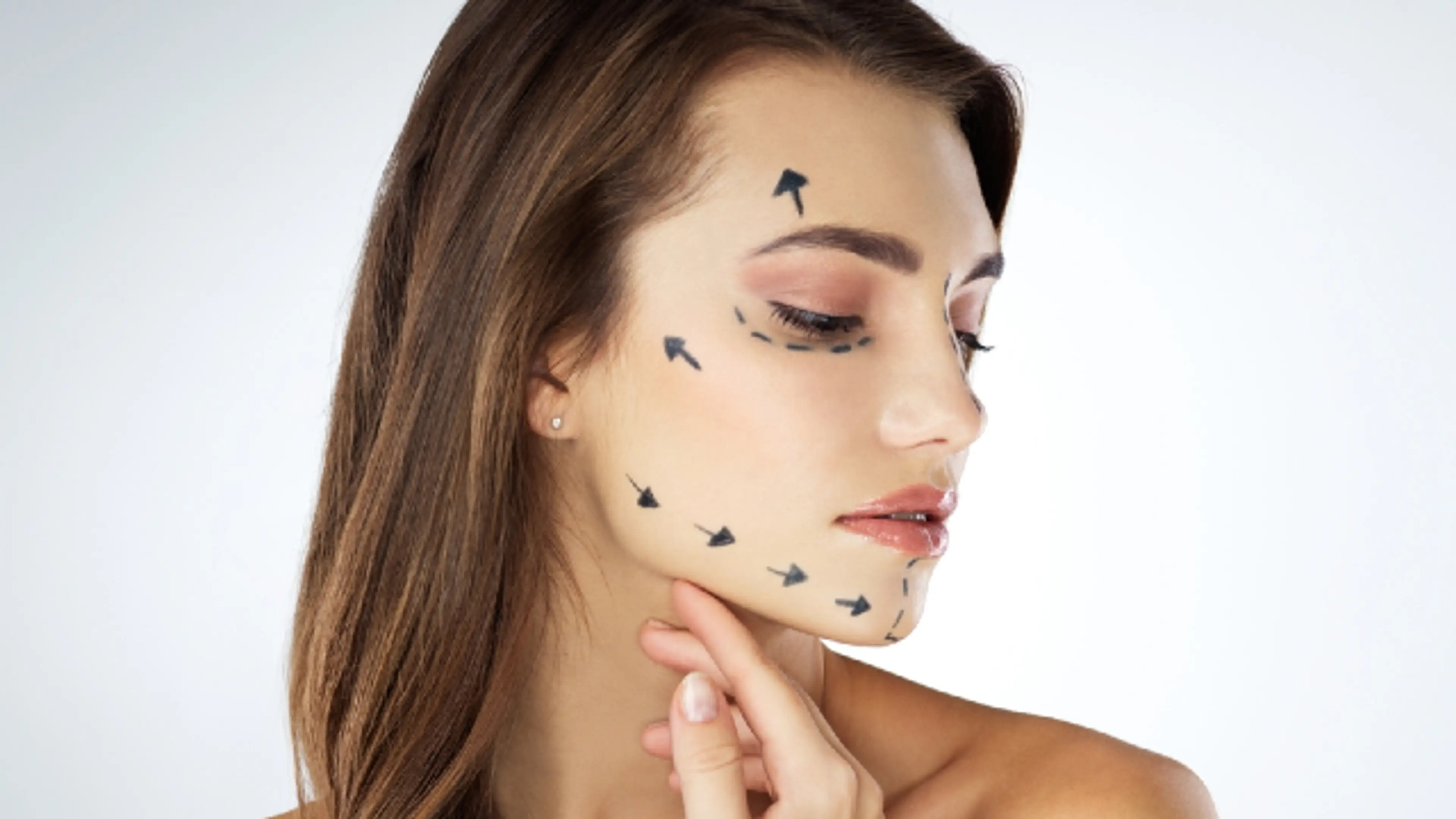
introductionA Face Lift, medically known as a rhytidectomy, is one of the most transformative procedures in plastic surgery. As we age, gravity, sun exposure, and genetics cause the skin and underlying tissues to lose their elasticity. This leads to sagging jowls, deep folds around the mouth, and a loss of the youthful "V-shape" of the face.
Modern surgical techniques have moved far beyond the "pulled" or "wind-tunnel" looks of the past. Today, the focus is on natural restoration. A high-quality
Face Lift should make you look like a refreshed version of yourself—not a different person. This guide explores the different techniques, safety protocols, and why choosing the right location for surgery is the most important decision you will make.
Understanding the Procedure: Modern Face Lift Techniques
understanding-the-procedure:-modern-face-lift-techniquesThe world of facial rejuvenation has evolved significantly. Surgeons no longer just pull the skin tight; they reposition the deeper structures of the face to ensure longevity and a natural appearance.
The SMAS Face Lift
the-smas-face-liftThe SMAS (Superficial Musculoaponeurotic System) facelift is the gold standard for mid-face rejuvenation. The surgeon tightens the layer of muscle and connective tissue beneath the skin. By lifting this deeper layer, the skin drapes naturally over the new contours without looking stretched.
The Deep Plane Face Lift
the-deep-plane-face-liftThis technique is currently trending among top-tier surgeons for its incredible, long-lasting results. Unlike other methods, the Deep Plane Face Lift goes beneath the SMAS layer to release the ligaments that hold the face in a saggy position. It allows for a more significant lift of the cheeks and jawline with less tension on the skin itself.
Mini-Face Lift vs. Full Face Lift
mini-face-lift-vs.-full-face-liftFeature | Mini-Face Lift | Full Face Lift |
|---|
Best For | Early signs of jowling and mild skin laxity. | Advanced sagging, deep folds, and neck laxity. |
Incision | Shorter, usually limited to the front of the ear. | Traditional, extending from the temple to behind the ear. |
Recovery | 1 to 2 weeks. | 2 to 4 weeks. |
Duration | Lasts about 5 to 7 years. | Lasts 10 to 15 years. |
Are You a Candidate? The "Before" Phase
are-you-a-candidate-the-"before"-phase
Before committing to a Face Lift, it is essential to determine if the procedure matches your physical needs and lifestyle. A good candidate typically displays specific signs of aging.
Physical Indicators: You may notice jowls along the jawline, deep nasolabial folds (smile lines), and sagging in the mid-face.
The "Sweet Spot" Age: Most surgeons agree that the ideal age for a facelift is between 45 and 55. At this age, the skin still has enough elasticity to heal beautifully, leading to the most natural-looking results.
Health Requirements: You should be a non-smoker and in good general health. Smoking significantly impairs blood flow to the skin, which can lead to complications during the healing process.
The Recovery Roadmap: What to Expect After Surgery
the-recovery-roadmap:-what-to-expect-after-surgery
Understanding the recovery timeline helps reduce anxiety. While every patient heals at a different rate, most follow a predictable path.
Week 1: The Initial Healing
week-1:-the-initial-healingIn the first few days after your Face Lift, you will experience swelling and bruising. You might feel a sensation of "tightness" or pressure around the ears and jaw. This is normal and managed easily with prescribed medication.
Weeks 2–3: Social Readiness
weeks-2-3:-social-readinessBy the end of the second week, most bruising has faded. This is often called the "incognito" phase where you can return to work or social settings using a little concealer. Your incisions will still be slightly pink but will be hidden within your hairline or natural skin folds.
The 3-Month Mark and Beyond
the-3-month-mark-and-beyondBy three months, the "Final Result" truly begins to shine. The swelling is 95% gone, and the tissues have settled into their new, youthful positions. You will notice a significantly sharper jawline and smoother neck.
Managing the "Post-Op Blues"
managing-the-"post-op-blues"It is common for patients to feel a temporary emotional dip a few days after surgery. This is often due to the peak of swelling making you look "unlike yourself." Remember that this is a temporary phase. Staying connected with your medical team and following their care instructions will help you through this period.
Safety and Risks: A Transparent Overview
safety-and-risks:-a-transparent-overviewLike any surgical procedure, a Face Lift carries certain risks. Transparency is key to a safe patient experience.
Risk Level | Potential Issue | How It Is Managed |
|---|
Common | Swelling and Bruising | Cold compresses and keeping the head elevated. |
Occasional | Temporary Numbness | This usually resolves on its own within a few months. |
Rare | Hematoma (Blood collection) | Prevented by using surgical drains or specialized bandages. |
Very Rare | Nerve Injury | Avoided by choosing a surgeon with expert knowledge of facial anatomy. |
When to Seek Urgent Care: If you experience sudden, extreme swelling on one side of the face, shortness of breath, or a high fever, you should contact your surgical team immediately.
Why South Korea is the Best Choice for a Face Lift
why-south-korea-is-the-best-choice-for-a-face-liftSouth Korea has earned its reputation as the global "Mecca" of plastic surgery. The country has the highest number of board-certified plastic surgeons per capita in the world. This high volume of cases has led to a level of specialization and technical refinement that is difficult to find elsewhere.
Korean clinics utilize advanced 3D imaging technology to show patients their potential "After" results before they even enter the operating room. Furthermore, their surgeons are pioneers in minimally invasive techniques, which results in smaller scars and faster recovery times for international patients.
The Cost of Confidence: Global Price Comparison
the-cost-of-confidence:-global-price-comparisonWhen considering a Face Lift, South Korea is consistently recognized as the best location for treatment. It offers the perfect balance of world-class surgical expertise and highly competitive pricing.
Country | Estimated Cost Range (USD) | Why Choose This Location? |
|---|
South Korea | $5,000 – $10,000 | Best Value: World-leading surgeons, advanced Deep Plane techniques, and all-inclusive care. |
United States | $12,000 – $25,000 | Very high facility fees and anesthesia costs. |
United Kingdom | $10,000 – $20,000 | Limited access to specialized Deep Plane experts. |
Australia | $15,000 – $30,000 | High private hospital overheads. |
Frequently Asked Questions
frequently-asked-questions-(faq)1. How long does a face lift last?
how-long-does-a-face-lift-lastTypically, a high-quality Face Lift lasts between 10 and 15 years. While the surgery "turns back the clock," your face will continue to age naturally from its new, more youthful starting point. Maintain your results with sun protection and a healthy lifestyle.
2. Will I have visible scars?
will-i-have-visible-scarsSurgeons are experts at hiding incisions. For a traditional Face Lift, the scars are placed inside the hairline and in the natural creases around the ear. Over time, these scars fade into thin, nearly invisible white lines that are very difficult to see.
3. Is the surgery painful?
is-the-surgery-painfulYou will not feel any pain during the procedure because of the anesthesia. During recovery, most patients describe the feeling as "tightness" or "discomfort" rather than sharp pain. This is easily managed with the medication provided by your doctor.
4. When can I fly after surgery?
when-can-i-fly-after-surgeryMost surgeons recommend waiting 7 to 10 days before flying home after a Face Lift. This allows the initial swelling to subside and ensures you are past the window for most immediate post-operative complications.
5. Can I get a facelift without surgery?
can-i-get-a-facelift-without-surgeryNon-surgical options like fillers or thread lifts can provide temporary improvement. However, they cannot replicate the significant structural changes of a surgical Face Lift. For patients with moderate to severe sagging, surgery is the only way to achieve a permanent, natural-looking result.
Conclusion: Investing in Your Future Self
conclusion:-investing-in-your-future-selfA Face Lift is more than just a cosmetic change; it is an investment in your confidence and how you present yourself to the world. By choosing modern techniques like the Deep Plane lift and looking toward centers of excellence like South Korea, you can achieve results that are both safe and stunningly natural.