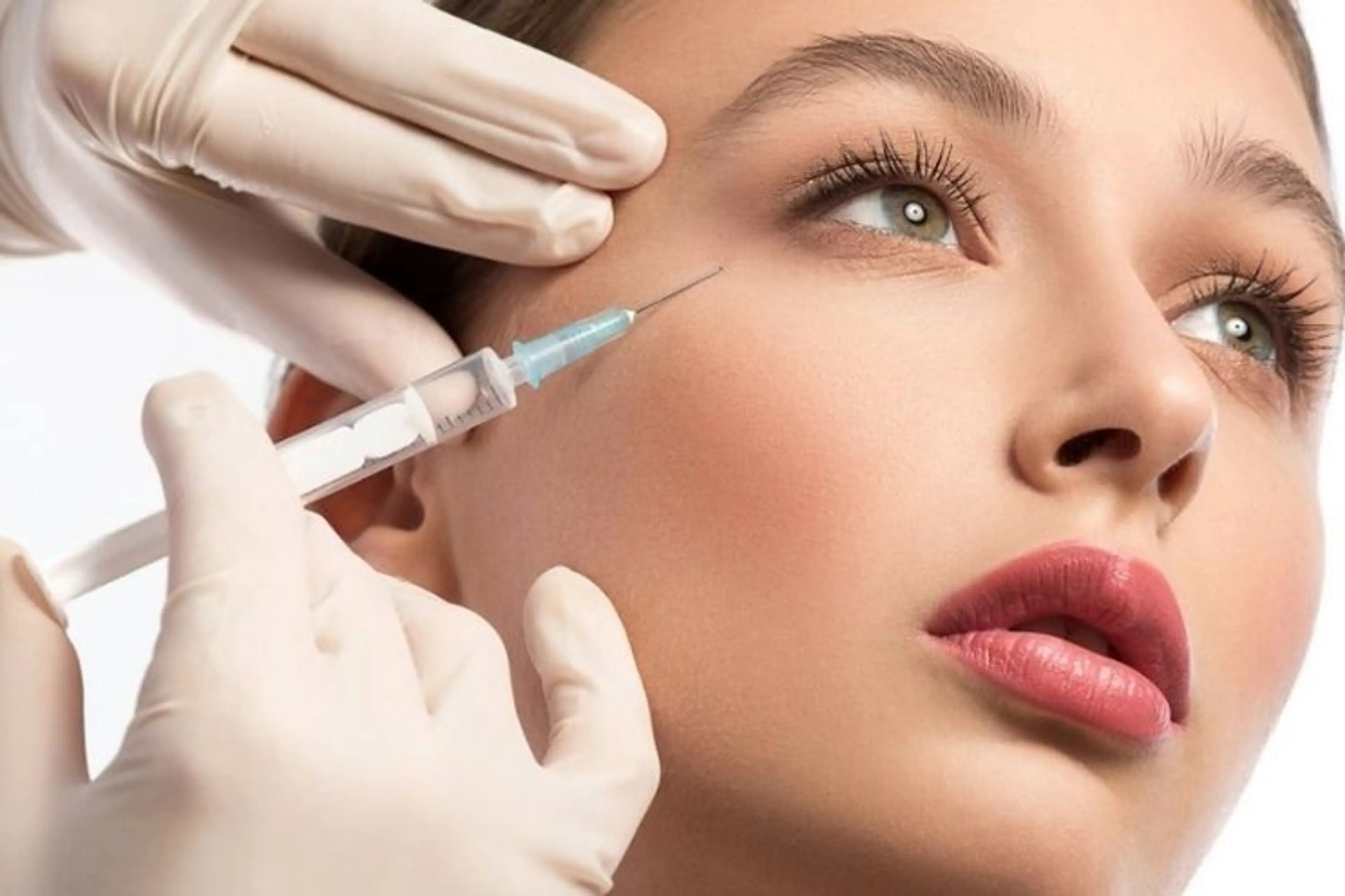
iIt starts with a small enhancement — a touch of volume under the eyes, a subtle plump to the lips, a gentle lift to the cheeks. But somewhere along the way, the line between refreshed and overfilled gets blurred. Suddenly, what was meant to look effortless feels anything but.
If you’ve ever scrolled through social media and thought, “Why does everyone have the same puffy face?” — you’re not alone. At Hugo Plastic Surgery, we hear this concern often. Patients come to us asking not just for filler, but for balance. Naturalness. Expression. The kind of beauty that still looks like you — just better rested.
So what actually causes fillers to go wrong? And more importantly — how can you avoid that frozen, bloated look?
Let’s unpack the truth with real insight from inside one of Korea’s leading aesthetic clinics.
The Overfilled Face: What It Is, and Why It Happens
the-overfilled-face:-what-it-is-and-why-it-happensThere’s a term we use in the clinic — “pillow face.” It describes that overly puffy, stretched look some people develop after repeated or excessive filler use. You’ve likely seen it before: cheeks that sit too high, lips that look rigid, under-eyes that bulge unnaturally in photos.
The cause? Usually, it’s one (or more) of the following:
Too much product injected too quickly
Wrong filler placement for your unique facial structure
Inappropriate filler type or density
Stacking new filler on top of old, unresolved filler
Treatments done by unqualified or overly aggressive providers
From a clinical perspective, these are technical mistakes. But from a human point of view? They represent a deeper issue — the fear of aging overtaking the art of balance.
Why Natural Results Require More Than Just Skill
why-natural-results-require-more-than-just-skillTo be honest, anyone can learn to inject filler. What separates a good result from a regrettable one is judgment. At Hugo Plastic Surgery, we emphasize this during every consultation: Not everything that can be filled should be.
A well-trained eye knows how to assess the face in motion, not just at rest. We consider how light moves across your cheekbones, how your smile folds, how your brows lift. These small details determine how filler will look in real life — not just under the clinic lights.
That’s also why our lead surgeon, Dr. Seonghyeok Yang, personally reviews each patient’s facial dynamics before recommending any injectable treatments. It’s a sculptor’s mindset: enhancing volume with precision, not excess.
The Korean Aesthetic: Why Less is More
the-korean-aesthetic:-why-less-is-more
In Korea — particularly Gangnam, the heart of aesthetic innovation — the standard is different. Here, we value harmony over drama. The best filler work is invisible to the untrained eye. It’s not about looking younger in an obvious way — it’s about looking clearer, more symmetrical, more vibrant.
This philosophy has shaped how we approach filler corrections at Hugo Plastic Surgery. We often meet patients who’ve had filler abroad or at high-turnover clinics where quantity took priority over quality. The result? Overstuffed cheeks, distorted under-eye contours, or unnatural nasolabial folds.
The first step in these cases is often not adding more — but dissolving what doesn’t belong.
Can Filler Be Reversed?
can-filler-be-reversedYes. One of the key advantages of hyaluronic acid (HA) fillers — the most commonly used kind — is that they can be dissolved with an enzyme called hyaluronidase. At Hugo Plastic Surgery, we use this carefully to:
But dissolving filler isn’t always simple. It requires an understanding of where the product was placed, how long it’s been there, and how your tissues have responded over time. In some cases, the tissue has stretched or scarred — meaning even after dissolving, you may not return to your original baseline.
That’s why we always recommend starting with minimal enhancements and working your way up, not the other way around.
How to Avoid Overfilled or Puffy Results: Clinic Insight
how-to-avoid-overfilled-or-puffy-results:-clinic-insightLet’s be clear: filler is not the enemy. When used correctly, it’s one of the most powerful, minimally invasive tools we have for facial rejuvenation. The problem is not the product — it’s the planning.
Here’s what our team always advises:
1. Choose a Clinic That Specializes in Facial Anatomy
1.-choose-a-clinic-that-specializes-in-facial-anatomyNot all injectors are created equal. Seek out clinics with surgical expertise — especially in eye and facial structure. At Hugo Plastic Surgery, our foundation in facial surgery means we understand not just where to inject, but where not to. That knowledge is critical when working around delicate areas like the under-eyes or temples.
2. Look for a Natural Aesthetic Philosophy
2.-look-for-a-natural-aesthetic-philosophyIf every patient at a clinic leaves with the same cheeks, lips, or jawline — that’s a red flag. The best injectors aim to preserve your unique facial identity, not overwrite it.
During consultations, we often ask: “What part of your face do you like the most?” That tells us what not to change. Enhancing your appearance shouldn’t mean erasing your character.
3. Start Conservatively — Less is More
3.-start-conservatively-less-is-moreThis cannot be overstated. Overfilling happens most often when too much is done too quickly. At our clinic, we build volume gradually — layering product over time if needed, always giving the tissue time to adapt.
We also tend to avoid overcorrecting nasolabial folds or marionette lines in one sitting. A small lift in the cheeks or temples can often soften these areas naturally, without the need for heavy-handed filler directly in the folds.
4. Understand That Filler is Not Always the Answer
4.-understand-that-filler-is-not-always-the-answerSometimes, what looks like volume loss is actually skin laxity — sagging tissue that needs repositioning, not plumping. In these cases, surgical or minimally invasive procedures like thread lifts or facial fat grafting may be more appropriate.
As a clinic that offers both surgical and non-surgical solutions, we can advise patients without bias. If filler won’t give the result you want — we’ll tell you. That’s part of what makes our approach different.
Common Areas Where Fillers Often Go Wrong
common-areas-where-fillers-often-go-wrong
If you’re considering filler, it helps to know where complications most often arise:
Under-eyes (tear troughs): This area is prone to puffiness and Tyndall effect (a bluish tint under the skin) when filler is placed too superficially or in the wrong plane.
Cheeks: Overfilled cheeks can distort the natural midface contours, pushing eyes downward and making the face appear wide or swollen.
Lips: Too much filler too fast can lead to migration, duck lips, or a stiff, unnatural smile.
Jawline and Chin: These areas require strong structural fillers — the wrong type can result in a doughy or undefined look.
Again, this isn’t about avoiding filler — it’s about using the right amount, in the right way, in the right patient.
What Real Doctors Know (But Rarely Say Online)
what-real-doctors-know-(but-rarely-say-online)Let’s share a quiet truth from behind the scenes:
“Most patients don’t actually need as much filler as they think.”
In the age of filters and AI-corrected faces, people often come in asking for volume based on distorted expectations. Part of our job — one we take seriously at Hugo Plastic Surgery — is to bring patients back into alignment with their real, natural proportions.
You don’t need to chase a trend. You need to refine what’s already there.
And that refinement takes both honesty and artistry.
The Hugo Plastic Surgery Approach
the-hugo-plastic-surgery-approachUnder the leadership of Dr. Seonghyeok Yang, Hugo Plastic Surgery has built a reputation in Seoul not just for surgical excellence, but for tasteful, understated facial enhancement. We take pride in helping patients avoid the filler trap — guiding them toward results that age gracefully and restore harmony.
Whether you’re new to aesthetic treatments or looking to correct previous filler work, we’re here to offer transparent advice, advanced techniques, and patient-first care.
Ready to Reset Your Facial Balance?
ready-to-reset-your-facial-balanceIf you’re concerned about looking puffy, overdone, or unnatural after filler — don’t settle. Visit Hugo Plastic Surgery in Gangnam, where precision meets restraint, and every face is treated as unique.
Your beauty doesn’t need to be exaggerated. It just needs to be revealed — gently, thoughtfully, and with expertise.
Book a consultation with Dr. Seonghyeok Yang and discover how natural, high-quality results can help you feel like yourself — only better.