Home / Articles
How to Sleep After a Face Lift Safely | Dr. Yang's Tips
Home / Articles
How to Sleep After a Face Lift Safely | Dr. Yang's Tips
Patients often overlook how something as simple as sleep can influence swelling, tissue healing, and the final outcome. Dr. Yang, who has performed over 500 facelifts with a 98% satisfaction rate, emphasizes that "the way you sleep can either support or sabotage your recovery."
Let’s explore the surgeon-approved strategies that will help you sleep safely—and wake up closer to the refreshed look you envisioned.
In the days following surgery, your body channels its energy into healing. The tissues in your face are delicate and adjusting to their new contours. During sleep, circulation and lymphatic drainage play a key role in reducing swelling and regenerating tissue.
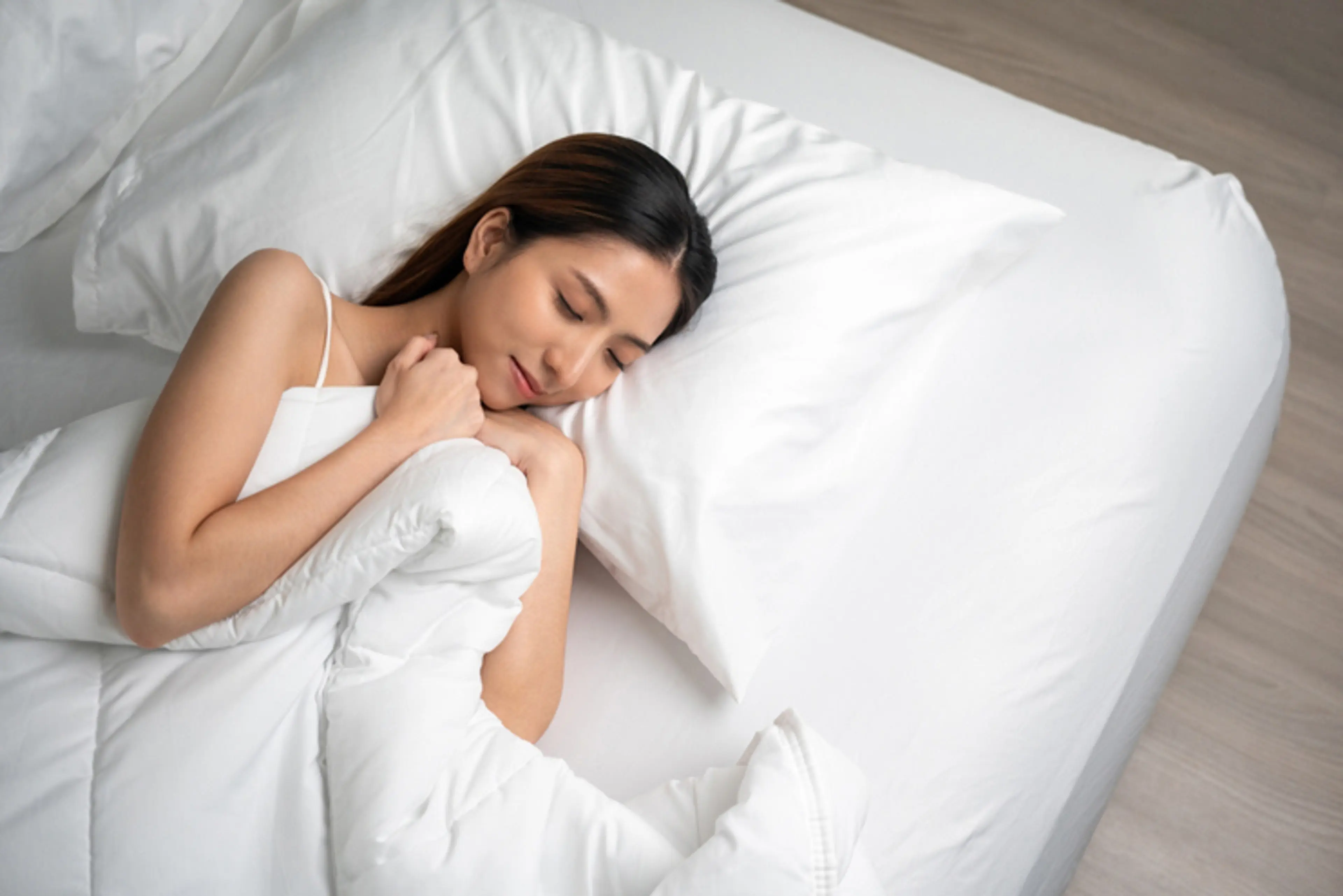
However, pressure from improper sleeping positions can interfere with these natural processes. Sleeping on your side or stomach can disrupt incisions and lead to asymmetry, prolonged bruising, or fluid buildup. That’s why back-sleeping with your head elevated isn’t just preferred—it’s medically recommended.
Patients recovering from facial procedures also tend to experience heightened sensitivity around the jawline, cheeks, and neck. When you sleep face-down or on your side, gravity can redistribute fluids into these areas, exacerbating puffiness and pressure. A neutral, elevated position helps counteract this.
"When the head is positioned above the heart, gravity aids the lymphatic system in flushing excess fluid," Dr. Yang explains. "It’s a simple but powerful method to minimize post-op complications."
These buffers not only stabilize your position but also train your body to adjust to back-sleeping if it's not your usual preference. You can also use bolster pillows behind your knees to ease lower back tension and enhance comfort.
It's normal to experience tightness, stiffness, or tenderness around incision areas. Dr. Yang recommends consulting with your surgeon about approved over-the-counter pain relief, and using cold compresses cautiously (never directly on the skin) to reduce swelling.
"Discomfort peaks around day three, then gradually improves," Dr. Yang notes. "Avoid the temptation to self-medicate. Your care plan is designed to manage pain without compromising healing."
Pro tip: Gentle meditation, breathing exercises, or light reading before bed can help distract from discomfort and promote better rest. Avoid screens 1–2 hours before sleep, as blue light can suppress melatonin and delay sleep onset.
Your bedroom setup should promote undisturbed, deep rest:
A humidifier may also be helpful if you live in a dry climate. Moist air can reduce skin dryness and prevent your nasal passages from becoming irritated due to mouth-breathing during recovery.
Some patients attempt to return to side sleeping too early. Dr. Yang advises against this: "Even minor lateral pressure can distort healing tissues. Wait for clearance at your post-op checkup before altering sleep positions."
Reach out to your provider if you notice:
Sudden increase in swelling or bruising
Numbness that worsens instead of improving
Difficulty breathing in a reclined position
Localized, worsening pain
These symptoms can be signs of infection, hematoma, or nerve involvement. Early intervention ensures successful outcomes.
Patients should also be cautious of persistent insomnia, as poor sleep can stall healing. If sleep disturbances continue for more than a week, talk to your surgeon. They may refer you to a sleep specialist or suggest short-term sleep support.
One of Dr. Yang’s patients, 58-year-old Grace L., shares: "The wedge pillow and neck roll made a huge difference. I was nervous about sleeping upright, but after a week, I adjusted—and my results were better than expected."
Testimonials like Grace’s help highlight that while the early days of post-surgical sleep can be challenging, adapting is very possible. Most patients find that their quality of sleep improves significantly by the end of the second week.
Also avoid alcohol and nicotine, as both substances impair circulation and can slow recovery. Caffeine should be minimized, especially in the evening, to support restful sleep.
Sleeping well after a facelift isn’t just about comfort—it’s part of your treatment plan. With the right setup and awareness, you’ll protect your investment in yourself and support lasting results.