Home / Articles
Rhinoplasty & Non-Surgical Nose Procedures for Confidence
Home / Articles
Rhinoplasty & Non-Surgical Nose Procedures for Confidence
The nose is often regarded as the focal point of the face, contributing significantly to one's overall appearance. Its central position means that even minor imperfections—whether in shape, size, or symmetry—can have a noticeable impact on how individuals perceive themselves. Many people find that dissatisfaction with their nose affects their self-esteem, sometimes leading to social anxiety or a lack of confidence in both personal and professional situations. The good news is that advancements in cosmetic nose surgery and non-surgical nose reshaping provide effective solutions. These procedures help patients improve their facial balance and, just as importantly, can provide a boost in confidence, allowing them to face the world with a renewed sense of self-assurance.
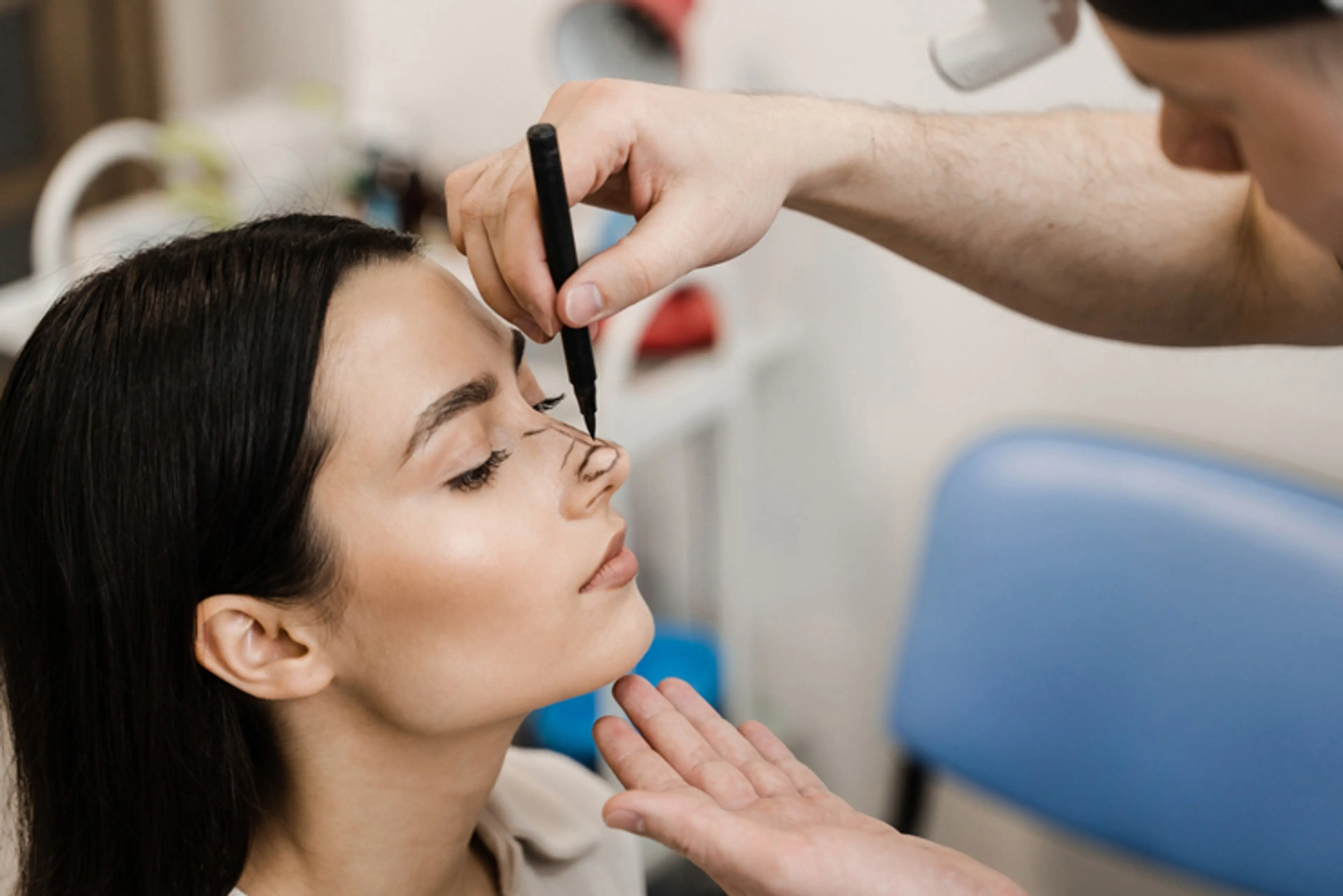
Rhinoplasty, commonly known as a "nose job," is a surgical procedure aimed at altering the shape, size, or functionality of the nose. It can address various aesthetic concerns, including a prominent dorsal hump, a wide nasal bridge, a drooping tip, or asymmetry. In some cases, rhinoplasty also serves functional purposes, such as correcting breathing problems caused by structural issues like a deviated septum. This combination of cosmetic and functional benefits makes rhinoplasty one of the most popular procedures worldwide. Additionally, non-surgical alternatives, such as liquid rhinoplasty, use dermal fillers to subtly reshape the nose. These minimally invasive treatments offer temporary results with little downtime and are ideal for patients seeking more subtle adjustments. It's important to understand the differences between these approaches to determine which best aligns with individual goals.
Ideal candidates for rhinoplasty or non-surgical nose reshaping should be in good overall health and have fully developed facial structures, typically after the late teens. Emotional readiness is just as crucial—patients must have realistic expectations and be prepared for the journey through surgery and recovery. A thorough consultation with a qualified surgeon is essential, as it allows for an in-depth evaluation of the patient’s facial anatomy and a discussion of aesthetic desires and functional concerns. This personalized approach ensures that the treatment plan is customized to the individual’s needs, providing the best possible cosmetic and functional outcomes.
Cosmetic nose procedures can be divided into two primary categories: surgical rhinoplasty and non-surgical nose reshaping. Surgical rhinoplasty involves making incisions and modifying the bone and cartilage of the nose under anesthesia. It is best suited for patients seeking permanent, more dramatic changes and can address both cosmetic and functional concerns. While effective, it comes with a longer recovery time and typical surgical risks like swelling, bruising, and potential complications. On the other hand, non-surgical nose reshaping involves injecting dermal fillers, such as hyaluronic acid, to adjust the nose’s shape. This procedure requires little downtime and is ideal for patients looking for temporary, subtle changes without the invasiveness or long recovery associated with surgery. Both options offer significant benefits, and a thorough consultation can help determine which procedure best suits your lifestyle and goals.
Non-surgical nose fixes, or liquid rhinoplasty, have gained popularity for their convenience and minimal recovery. During this procedure, dermal fillers, usually made of hyaluronic acid, are injected into specific areas of the nose to smooth bumps, lift the nasal tip, or create a more symmetrical appearance. While this procedure doesn't reduce the size of the nose, it creates the illusion of a more refined shape. The treatment typically takes less than 30 minutes, requires no general anesthesia, and has an immediate effect. However, the results are temporary, typically lasting between six months and a year, and patients will need periodic touch-ups to maintain the results. This non-invasive treatment is an excellent option for those seeking subtle improvements without committing to surgery.
Although many patients pursue rhinoplasty to improve their appearance, the benefits often extend beyond just the physical changes. Functional improvements, such as better airflow and easier breathing, are common when nasal structural issues like a deviated septum are addressed. Psychologically, the boost in self-esteem after nose reshaping can lead to improved quality of life. Studies have shown that rhinoplasty can help alleviate social anxiety, strengthen interpersonal relationships, and improve both personal and professional interactions. The emotional benefits are so profound that many patients describe the procedure as life-changing. Surgeons assess both cosmetic and functional concerns to ensure the best possible outcomes, enhancing patients’ confidence and well-being.
Rhinoplasty recovery varies depending on the procedure’s complexity but generally follows a predictable timeline. In the first few days, swelling and bruising around the eyes are common, but they are manageable with prescribed pain relief and cold compresses. The external splints or nasal packing are usually removed within one to two weeks, and most patients can return to work after 10 to 14 days. Strenuous activities should be avoided for at least 4 to 6 weeks. As healing progresses, swelling decreases, and subtle changes in shape may continue for up to a year. Follow-up appointments are essential for monitoring progress and addressing any concerns promptly.
Modern rhinoplasty has evolved into a highly personalized procedure. Advanced techniques, such as cartilage grafting and ultrasonic bone reshaping, allow for precision while minimizing trauma. Ethnic rhinoplasty, in particular, focuses on respecting and preserving unique cultural and facial characteristics while enhancing facial harmony. These refined techniques allow surgeons to provide customized results that are both aesthetically pleasing and functional. Surgeons at specialized clinics use state-of-the-art tools and procedures to ensure every patient receives optimal care tailored to their individual needs.