Home / Articles
The Truth About Fat Redistribution After Liposuction
Home / Articles
The Truth About Fat Redistribution After Liposuction
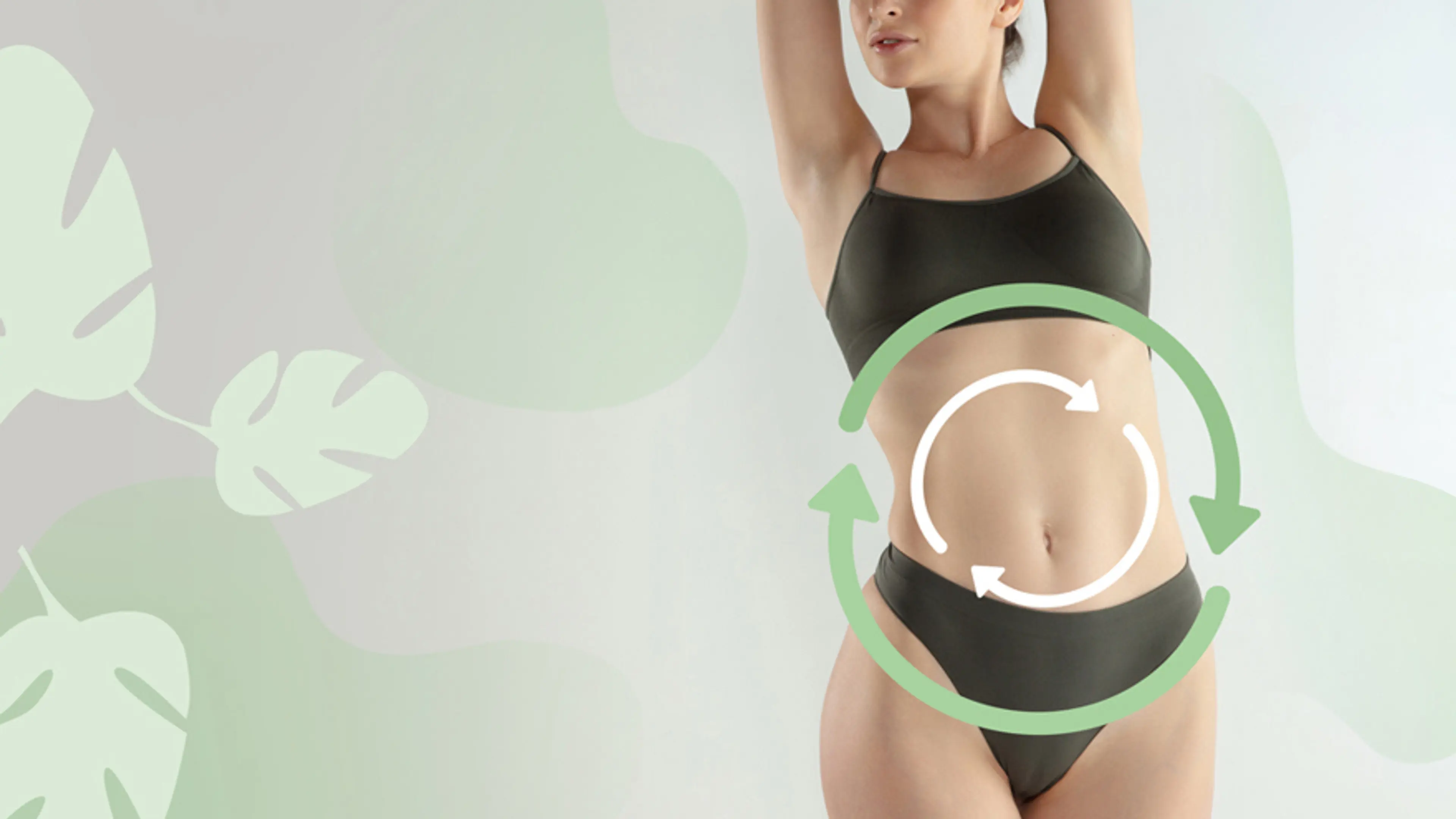
Liposuction is one of the most popular cosmetic surgeries, known for its ability to sculpt and reshape the body by removing stubborn fat. Whether targeting the abdomen, thighs, or chin, liposuction provides a way to eliminate fat that has resisted diet and exercise. However, a common myth continues to surround the procedure: the idea that fat removed during liposuction somehow redistributes to other parts of the body. This misconception has led many to question whether liposuction is a truly permanent solution or if it simply shifts fat around, creating new problem areas.
Let’s take a closer look at what liposuction really does, debunk this myth once and for all, and explore the lasting impact of the procedure on your body shape.
The most important distinction between liposuction and non-surgical fat-reduction methods is that liposuction removes fat cells permanently. Once fat is suctioned out, those cells are gone for good, meaning they cannot grow back in the treated areas. However, while liposuction permanently removes fat cells, it does not prevent the remaining fat cells in the body from expanding if you gain weight.
Liposuction reshapes the body by eliminating fat cells from targeted regions, creating a more sculpted appearance. Because the fat cells are permanently removed, these areas remain slimmer and less likely to accumulate fat in the future compared to untreated areas. However, the body still has fat cells in regions that weren't treated. If you gain weight after liposuction, these remaining fat cells can expand, and fat may accumulate in untreated areas.
For instance, if you undergo liposuction on your abdomen, the procedure will create a flatter, more toned stomach. But if you gain weight after surgery, excess fat is more likely to accumulate in untreated areas like the arms, thighs, or face—not in the abdomen, which has fewer fat cells to expand. This change in body shape may be noticed, but it's not due to fat “redistributing.” Rather, it’s the expansion of fat in areas that were not treated with liposuction.
A frequent misconception is that liposuction causes fat to redistribute to other parts of the body. The truth is, liposuction doesn’t work this way. When fat is removed during the procedure, those fat cells are permanently gone. The body doesn’t compensate by moving fat from one area to another.
Studies show that liposuction has long-term effects on body shape, especially in areas where fat cells have been permanently removed. In fact, research indicates that the fat doesn't redistribute or “fill in” the treated areas with fat from elsewhere. However, if you gain weight after liposuction, fat will accumulate in other untreated areas of the body. This fact can sometimes be mistaken for fat redistribution, but in reality, it's simply the result of weight gain affecting the areas that still have fat cells.
One of the major benefits of liposuction is that it provides permanent results in the treated areas. Since fat cells are permanently removed, the areas that were treated will generally stay slimmer than untreated regions, even as you age. However, to keep the results from liposuction looking their best, it's important to maintain a stable weight. If you gain weight, the remaining fat cells in the body can expand, and the fat will be stored in untreated areas, leading to potential changes in body shape.
While liposuction permanently removes fat from specific areas, maintaining the results requires consistent effort. Here are some targeted recommendations to help you maintain a slim and sculpted body after the procedure:
One of the best ways to understand the effects of liposuction is through the experiences of real patients. Sarah, a 34-year-old from New York, underwent liposuction to contour her abdomen and thighs. She notes, "After my procedure, I was thrilled with how much slimmer my stomach was. I didn't experience any fat 'redistribution.' However, I did notice that when I gained a little weight, it went to my arms and back. Maintaining a healthy lifestyle was key to preserving my results."
Hearing firsthand from individuals like Sarah helps debunk the myth of fat redistribution and reinforces the importance of post-surgical care.
In conclusion, the myth that fat redistributes after liposuction is simply not true. Liposuction removes fat cells permanently from the treated areas, and while weight gain can lead to fat accumulation in untreated regions, it does not cause fat to shift or “redistribute.”
By maintaining a healthy lifestyle and adopting habits like regular exercise and mindful eating, you can help ensure the long-term success of your liposuction results. As with any cosmetic procedure, the results depend on your commitment to maintaining your body’s new contour.