Home / Articles
What Foods to Avoid After Plastic Surgery for Faster Healing
Home / Articles
What Foods to Avoid After Plastic Surgery for Faster Healing
Undergoing plastic surgery can be a transformative and life-enhancing experience. Whether you're having a facelift, liposuction, breast augmentation, or any other cosmetic procedure, one of the most important factors that influence your recovery is your diet. In particular, certain foods can hinder the healing process, potentially causing complications, slowing down recovery, or even increasing the risk of infection. As experts in plastic surgery, Hugo Plastic Surgery is committed to ensuring that your post-operative care is as smooth and successful as possible. This article will outline the foods you should avoid after plastic surgery to facilitate faster healing, and provide a better understanding of how your diet can play a crucial role in your recovery.
Before we dive into specific foods to avoid, it's important to recognize the profound role that nutrition plays in recovery. Surgery places stress on the body, and your immune system needs support to heal wounds, reduce swelling, and prevent infections. Proper nutrition helps to promote collagen production, which is essential for wound healing and tissue regeneration. Conversely, poor nutrition can delay recovery, increase discomfort, and potentially result in complications that could affect your final results.
After surgery, your body requires specific nutrients such as protein, vitamins, minerals, and healthy fats to aid in healing. However, there are also foods that can impede the healing process. Let’s take a look at the foods to avoid in the days and weeks following your surgery.
Excessive salt can have negative effects on the healing process. Salt causes the body to retain water, which can result in increased swelling and inflammation, especially in the first few days following surgery. Swelling is common after many types of plastic surgery procedures, and the last thing you want is to exacerbate this natural response. Moreover, salt can also contribute to high blood pressure, which could complicate the healing process.
Processed foods like canned soups and ready-to-eat meals
Packaged snacks such as chips and pretzels
Fast food options
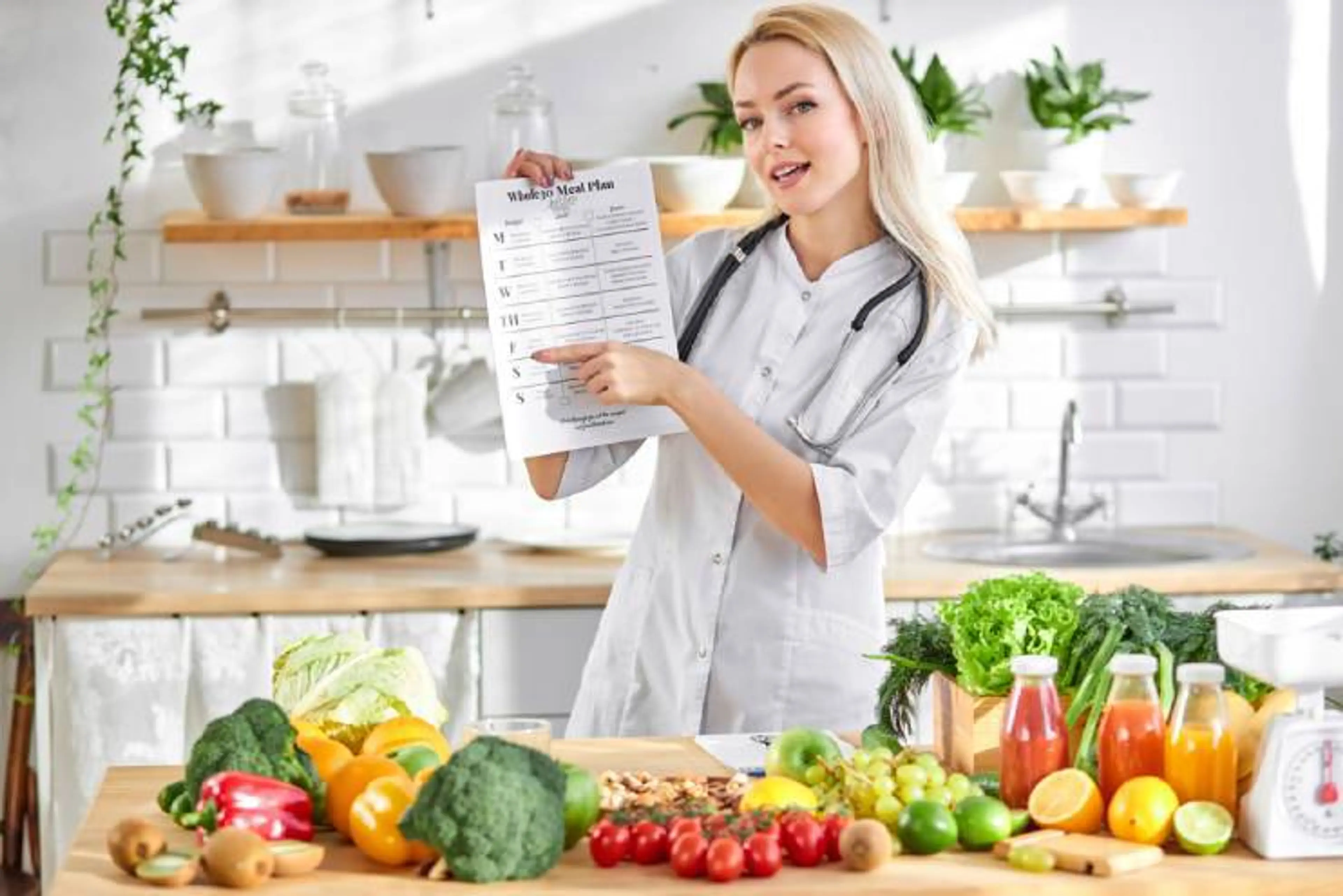
Instead, opt for whole, unprocessed foods that are naturally lower in sodium, such as fresh fruits and vegetables. At Hugo Plastic Surgery, we recommend that patients eat a balanced diet rich in fresh, natural foods to support their healing.
While it might be tempting to indulge in sweet treats, sugary foods can hinder the healing process in several ways. Excessive sugar intake can lead to increased inflammation, which can delay the body's natural ability to heal. Sugar also compromises your immune system, making you more vulnerable to infections, a risk that no one wants to deal with after surgery.
Additionally, sugar can contribute to poor circulation and slow the body’s ability to regenerate tissues, which is especially important after plastic surgery. Given that healing after surgery depends on efficient blood flow and oxygen to the affected areas, consuming large amounts of sugar can significantly slow down your recovery.
Sodas and sugary drinks
Candies, cakes, and pastries
Ice cream and desserts with high sugar content
Instead of sugary snacks, try satisfying your sweet tooth with fresh fruit, which contains natural sugars as well as important vitamins like vitamin C, which aids in tissue repair.
Alcohol is another food group (or rather, beverage) that should be avoided after surgery. The effects of alcohol on your body are multifaceted, and it can impair the healing process in several ways. First and foremost, alcohol can interact negatively with pain medications or anesthesia, leading to increased risk of side effects, including nausea, dizziness, and respiratory issues. Alcohol also dehydrates the body, which can further hinder your healing by reducing the efficiency of nutrient delivery to your tissues.
Moreover, alcohol can impair your liver’s ability to detoxify the body, slowing down the healing process. It can also increase your risk of bleeding, which is particularly concerning after surgery as blood clotting is essential for wound healing.
Beer, wine, and spirits
Cocktails and mixed drinks with alcohol
During your recovery, it's best to stay hydrated with water, herbal teas, or freshly squeezed juices. At Hugo Plastic Surgery, we always emphasize the importance of maintaining optimal hydration for recovery.
Fried and greasy foods, while often delicious, are a major source of unhealthy fats that can increase inflammation in the body. Foods high in trans fats or saturated fats can interfere with the body’s natural healing processes by raising levels of inflammation, thereby prolonging recovery. Additionally, greasy foods can cause digestive issues like bloating and nausea, which are not ideal after undergoing surgery when your body needs to focus on healing rather than coping with digestive discomfort.
High-fat foods can also slow down circulation and reduce oxygen flow to the tissues, which is essential for wound healing.
Fried chicken, fries, and other deep-fried snacks
Fast food options like burgers and fried chicken
Highly processed, fatty snacks like potato chips and doughnuts
Instead, choose lean proteins and healthy fats, such as grilled chicken, avocado, nuts, and olive oil, to support your healing and overall recovery.
Caffeine is a diuretic, meaning it causes the body to lose water. Dehydration can severely impair the healing process by reducing blood flow to the tissues and making it more difficult for nutrients to reach the healing areas. Additionally, caffeine can interfere with your sleep patterns, and a lack of quality sleep can slow the healing process. Sleep is a vital component of recovery because it allows your body to repair and regenerate tissue effectively.
Coffee, especially in excess
Energy drinks
Caffeinated sodas and teas
For better hydration, consider drinking herbal teas or decaffeinated beverages that can keep you hydrated without the negative effects of caffeine.
Dairy products can sometimes cause issues for some individuals, particularly in the form of increased mucus production or digestive discomfort. After surgery, you need your digestive system to be functioning at its best to absorb the nutrients needed for healing. If you notice that dairy tends to cause you discomfort or bloating, it's best to avoid it during your recovery period.
Moreover, dairy products that are high in fat, like cheese and full-fat milk, can also contribute to inflammation, which can hinder the healing process.
Full-fat milk, cheese, and butter
Creamy sauces or dairy-laden dressings
If you're craving dairy, opt for lower-fat options or non-dairy alternatives, like almond milk or soy-based products, which can provide necessary nutrients without increasing inflammation.
Refined carbohydrates, which are found in many processed foods, can cause spikes in blood sugar and insulin levels. This can lead to increased inflammation and a slower healing process. High levels of insulin can also interfere with the body’s ability to properly repair tissues and may contribute to complications such as poor wound healing or even infections.
White bread, pastries, and cakes
Pasta made from refined flour
Sugary cereals
Instead, choose whole grains, such as quinoa, brown rice, and oats, which are rich in fiber and provide a more consistent source of energy for your body.
Highly processed foods are often high in sodium, unhealthy fats, sugar, and artificial additives, all of which can hinder the healing process. These foods can cause inflammation, slow down circulation, and increase your risk of infection, which can all have a negative impact on the final outcome of your surgery.
At Hugo Plastic Surgery, we encourage patients to consume nutrient-dense, whole foods as part of their post-operative care. Avoiding processed foods can reduce the burden on your digestive system and improve your overall health during the healing process.
Pre-packaged meals and snacks
Frozen dinners or microwaveable foods
Processed meats like sausages and hot dogs
The foods you consume after plastic surgery play a crucial role in how quickly and effectively you heal. By avoiding the foods listed above, you can help reduce inflammation, prevent infections, and promote the growth of healthy tissue. A balanced, nutrient-rich diet will support your recovery and ensure that you achieve the best possible outcome from your procedure.