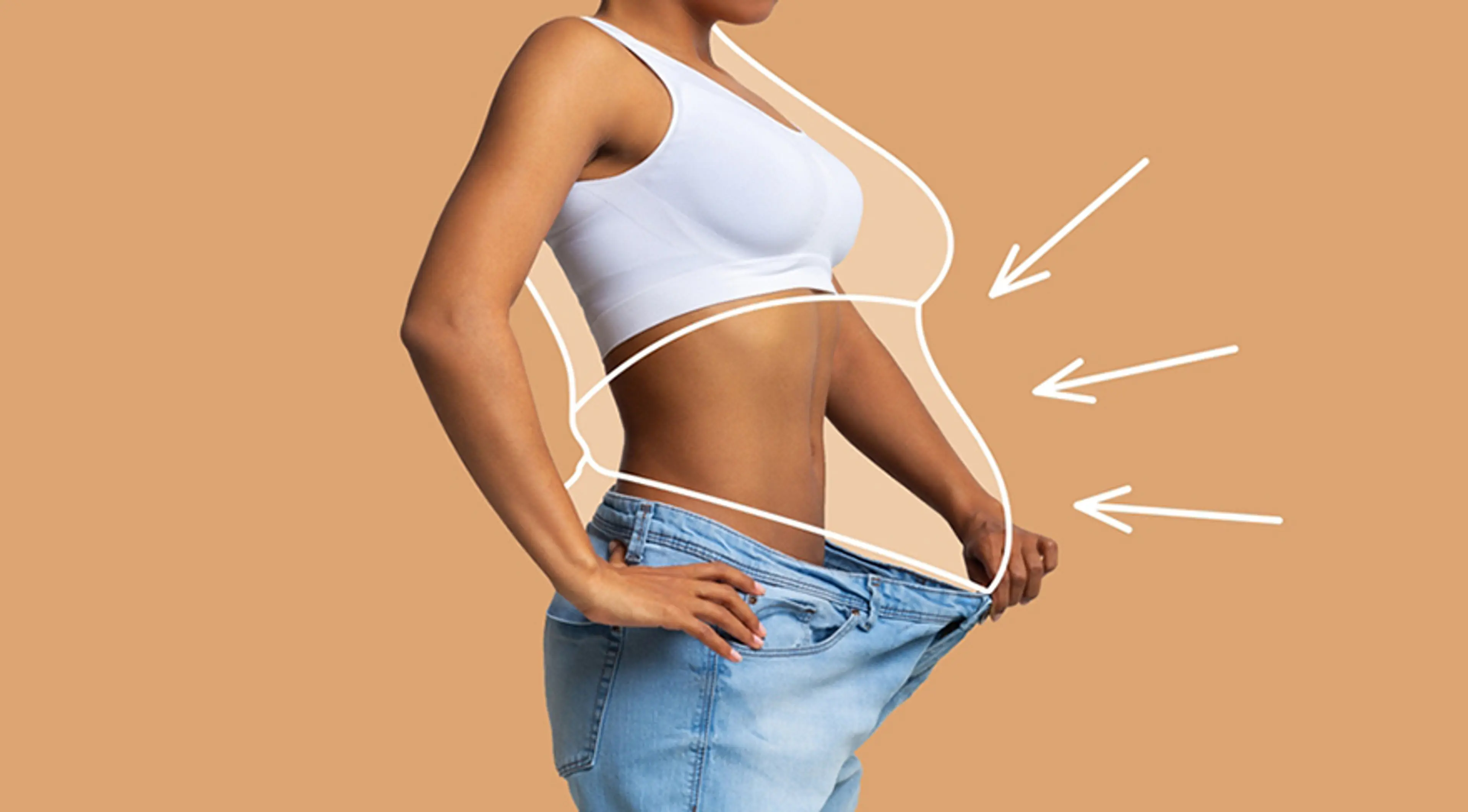
Let’s be honest — when people think of liposuction, the first image that comes to mind is fat being suctioned away, leaving behind a smoother, slimmer figure. But the truth is, liposuction isn’t just about removing fat. It’s also about what your body — especially your skin — does after the procedure. That’s where the real transformation happens.
At Hugo Plastic Surgery in Gangnam-gu, Seoul, we see this question often:
“Will my skin tighten after liposuction, or will it sag?”
The answer isn’t one-size-fits-all. Skin response after liposuction depends on several key factors: your age, skin elasticity, the area treated, how much fat was removed, and even your genetics.
In this article, we’ll walk you through what really happens to your skin after liposuction — from the initial healing phase to long-term skin tightening. If you’re considering liposuction but have concerns about loose skin or uneven texture, this guide is for you.
The First Days: Inflammation, Swelling, and Skin’s Initial Response
the-first-days:-inflammation-swelling-and-skin's-initial-responseRight after liposuction, your skin goes into “healing mode.” The body triggers an inflammatory response — which is actually a good thing. It means your tissues are repairing.
Expect some swelling, bruising, and fluid retention in the treated area for the first 1–2 weeks. Your skin may feel tight, numb, or even slightly uneven — this is temporary and part of the natural healing process. Compression garments are essential during this period. They help:
At Hugo Plastic Surgery, we tailor post-operative care to your unique body structure. Dr. Seonghyeok Yang pays close attention to these first few weeks because they lay the groundwork for how your skin will eventually adapt.
What People Often Overlook: Skin Retraction Isn’t Automatic
what-people-often-overlook:-skin-retraction-isn't-automaticOne of the most common misconceptions is that once fat is gone, the skin will automatically shrink to fit. That’s not always the case.
Here’s why:
here's-why:Skin is a living organ. It stretches, yes — but how well it bounces back depends on collagen strength, elasticity, and age. Younger patients (usually under 40) with firm skin tend to experience better skin retraction. For older individuals or those with significant weight fluctuations, the skin may not “snap back” fully.
It’s similar to blowing up a balloon. If the balloon is new, it deflates and retains its shape fairly well. But if it’s old and has been stretched many times, it may sag or wrinkle after the air is let out.
Long-Term (3 to 6 Months): How the Skin Reorganizes Itself
long-term-(3-to-6-months):-how-the-skin-reorganizes-itselfBy month three, the swelling has mostly resolved, and your skin begins its deeper healing process. This is when you’ll start to see more refined contours and, hopefully, tighter skin.
What’s happening underneath:
what's-happening-underneath:Collagen remodeling begins — the skin thickens and strengthens where fat was removed.
Fibrous tissue forms between the skin and the underlying muscle layer, helping the skin “stick” and mold to your new shape.
In many cases, the skin naturally retracts over the next 6–12 months — but only if it’s healthy enough to do so.
We often say that skin retraction is a collaboration between the procedure and your body. This is why Hugo Plastic Surgery emphasizes preoperative skin assessment. If we notice reduced elasticity or excessive skin laxity, we may recommend combining liposuction with skin-tightening procedures for optimal results.
When Skin Doesn’t Bounce Back: What Are Your Options?
when-skin-doesn't-bounce-back:-what-are-your-optionsIf your skin doesn’t tighten after liposuction, you’re not alone — and you’re not out of options.
Signs that the skin hasn’t retracted well:
signs-that-the-skin-hasn't-retracted-well:Mild to moderate wrinkling in the treated area
Sagging, especially in the arms, thighs, or abdomen
Uneven texture or skin dimpling
At Hugo Plastic Surgery, we’ve found that certain patients benefit from customized surgical add-ons, such as:
For those who prefer a non-surgical approach, we also offer radiofrequency-based tightening or HIFU (High-Intensity Focused Ultrasound) to stimulate collagen production in the months after liposuction.
The key is timing — we usually wait 6 months to evaluate skin healing before deciding whether additional treatments are necessary. This ensures we’re not interfering with your body’s natural remodeling process.
What Areas Are More Likely to Have Loose Skin?
what-areas-are-more-likely-to-have-loose-skin
Some body regions are more prone to skin laxity after fat removal:
Upper arms – due to thinner, less elastic skin
Inner thighs – often affected by aging and friction
Lower abdomen – especially after pregnancy or weight loss
Neck and jawline – delicate areas where fat removal must be done with extreme precision
That’s why at Hugo Plastic Surgery, we perform a comprehensive consultation that includes skin elasticity tests and 3D imaging when necessary. In some cases, we may suggest fat grafting or micro-liposuction for areas where skin texture is delicate and highly visible — such as under the chin or around the jaw.
The Role of a Skilled Surgeon: Precision Matters
the-role-of-a-skilled-surgeon:-precision-mattersTo be honest, liposuction is not just about suction. It’s a form of contouring — and if done without careful planning, it can lead to skin irregularities, dents, or shadows.
Dr. Seonghyeok Yang, with his background in facial plastic surgery and years of microsurgical training, treats liposuction like sculpting — layer by layer, always preserving harmony between fat layers and skin structure.
A good surgeon knows where not to remove fat — preserving structural fat in some areas to prevent skin from collapsing or sagging. That’s especially important in facial liposuction, where even a few millimeters can make a dramatic difference.
What You Can Do to Support Healthy Skin After Liposuction
what-you-can-do-to-support-healthy-skin-after-liposuction
Patients often ask, “Is there anything I can do to help my skin retract after surgery?”
Yes — and your role in the recovery process is just as important as the surgeon’s.
Post-op habits that improve skin healing:
post-op-habits-that-improve-skin-healing:Wear your compression garment as advised (usually 4–6 weeks)
Hydrate well — collagen needs water to function properly
Eat protein-rich, anti-inflammatory foods (think salmon, tofu, leafy greens)
Avoid smoking and alcohol — both interfere with collagen and circulation
Massage or lymphatic drainage therapy (as recommended by your surgeon)
Also, be patient. Final results often take up to 6 months — sometimes even a year — especially in large-volume liposuction or in older patients.
Natural Results Start with Realistic Expectations
natural-results-start-with-realistic-expectationsHere’s what we tell our patients at Hugo Plastic Surgery: liposuction is a tool, not a magic wand. It removes stubborn fat, but the final appearance depends on your skin’s ability to adapt. Sometimes, a combined approach — liposuction with skin tightening or fat grafting — yields the most natural and lasting result.
If you’ve been considering liposuction but are unsure about how your skin will respond, you’re not alone. This is exactly why a personalized consultation matters. The right surgical plan isn’t just about fat removal — it’s about preserving beauty, symmetry, and skin integrity over time.
Ready to reshape your body with expert precision and care?
Visit Hugo Plastic Surgery in Seoul, where your treatment is crafted to support not just fat reduction — but beautiful, healthy skin that reflects your natural contours.
Dr. Seonghyeok Yang and our team are here to guide you through each step — with honesty, expertise, and a deep respect for your body’s unique beauty.