Home / Articles
What to Expect in the First Week After Double Eyelid Surgery
Home / Articles
What to Expect in the First Week After Double Eyelid Surgery
If you’re reading this, chances are you’ve either booked your double eyelid surgery or you’re weighing the idea carefully — wondering how your first week might unfold. It’s an exciting step, but let’s be honest: it’s also a week that requires patience, care, and a bit of realistic expectation-setting.
At Hugo Plastic Surgery here in Gangnam-gu, we see patients from all over the world who come to refine their eyelids for a brighter, more defined look — without sacrificing the natural beauty that makes each face unique. South Korea has long been regarded as a global leader in cosmetic surgery, and double eyelid surgery remains one of the most requested procedures for good reason. So, what really happens in those crucial first seven days?
Right after surgery, most patients feel a mix of relief and curiosity — relieved that the procedure is over, curious about how their new eyelids will take shape. In truth, you’ll probably feel groggy for a few hours as the anesthesia wears off. Swelling and bruising usually start immediately — don’t be alarmed if you look more swollen than you expected.
Our team applies a cold compress in-clinic, and we always send patients home with clear instructions on how to continue icing. The goal in these first 24 hours is simple: rest, cool the area, and keep your head elevated. Many patients say sleeping with two pillows or a small wedge pillow helps tremendously.
What some people don’t realize is how much your body’s overall condition influences recovery. Staying well-hydrated and avoiding salty or processed foods can make an immediate difference in how much fluid accumulates around the eyes.
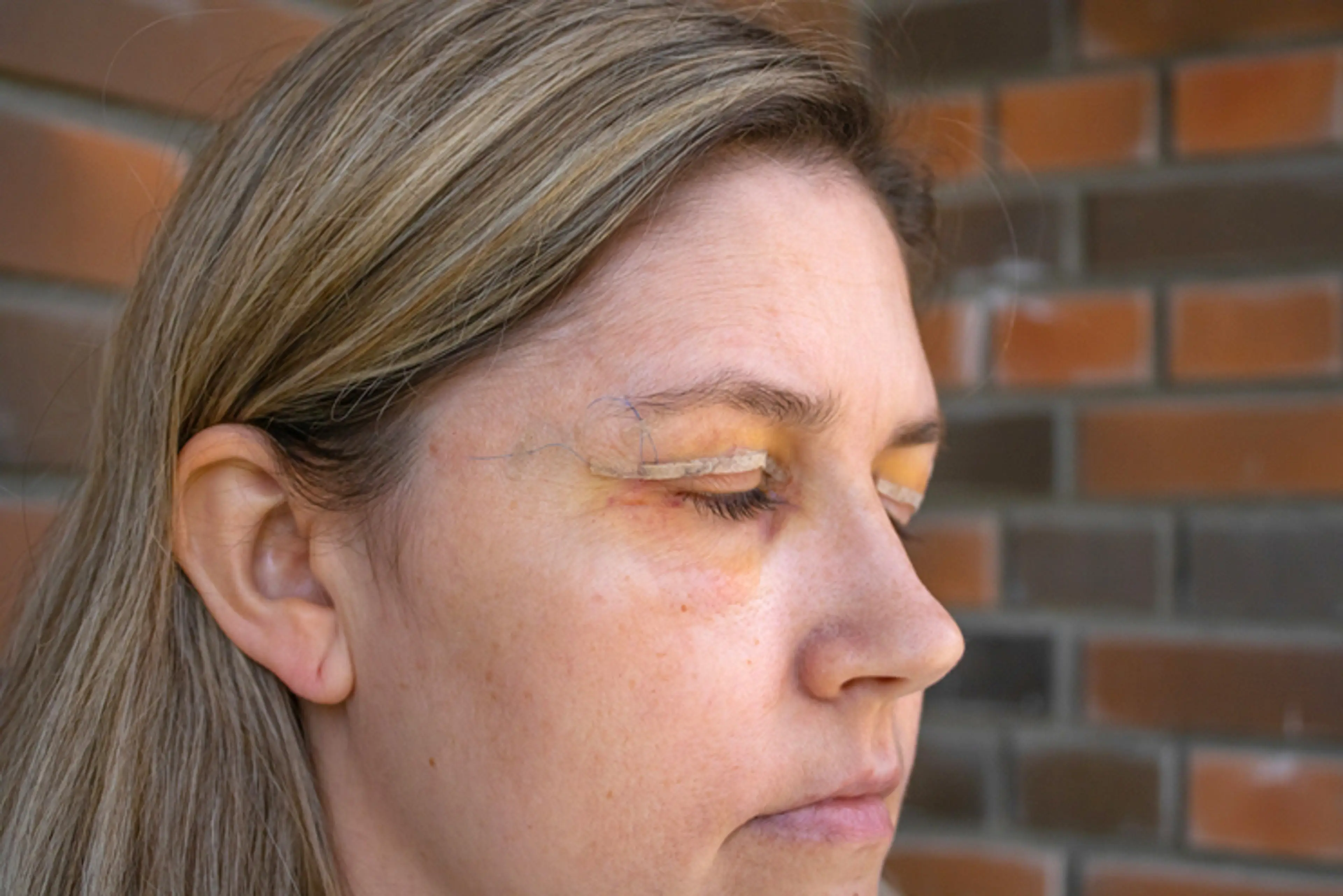
Here’s something few people tell you: swelling often peaks around the second or third day. It can look dramatic — sometimes the eyelids appear puffy, and light bruising can spread below the eyes. For some, the swelling may even make the crease look uneven. This is all temporary.
It’s tempting to worry, but trust the process. Your stitches are holding everything in place. The tissues are adjusting. This is exactly what’s supposed to happen. If you’ve chosen a clinic like Hugo Plastic Surgery that prioritizes meticulous technique and minimal trauma, you’re already ahead — our patients generally see faster recovery than those at high-volume clinics that rush the procedure.
During this phase, continue cold compresses for short intervals, but don’t overdo it. Gentle walks around your home can help with circulation. Avoid bending over or lifting heavy items — anything that strains the head can worsen swelling. Some patients ask if they can use warm compresses to speed up bruising resolution, but we usually recommend waiting until after the peak swelling phase. Cold is your friend early on.
By day four, many patients notice the color of their bruising changing — from red to purple, then yellowish-green. It’s the body’s natural healing cycle. Some people worry that this means something is wrong, but it’s actually a good sign.
This is also when light tightness or mild itchiness can appear. That’s your body repairing tissue. Keep the incision sites clean as instructed. At Hugo, we give patients gentle cleansing tips to avoid disturbing stitches. If your surgeon prescribed an antibiotic ointment, apply it exactly as directed — never more, never less.
What people often overlook is how much hydration helps. Drink plenty of water, eat nourishing foods low in sodium (too much salt can prolong puffiness), and get good sleep. Eating vitamin-rich foods — think leafy greens, fresh fruits, and protein — supports tissue repair from the inside out. Avoid spicy or greasy food that can inflame the body’s response.
Patients often ask about makeup — resist the urge to apply anything near the incision until your doctor says it’s safe. Early makeup can introduce bacteria or irritate delicate skin.
By the end of the first week, you’ll likely feel a cautious sense of excitement. The worst of the swelling is usually behind you, though some puffiness can linger for weeks. Many patients visit us around this time for a follow-up. If non-dissolvable stitches were used, this is when they’re typically removed — a quick, relatively painless step that often surprises patients with how little it hurts.
After stitch removal, you’ll see a clearer outline of your new crease. Don’t expect perfection yet — the final result continues to refine for months. But most patients already feel more confident, reassured that the decision was worth it.
Some people feel an emotional dip during recovery — a mix of cabin fever, worry about swelling, or impatience to see results. This is completely normal. We remind patients to focus on rest, good nutrition, and light activities like reading or watching a favorite show. A positive mindset really does support better healing.
One thing Dr. Seonghyeok Yang often reminds patients: the first week sets the tone for your healing journey. Rest well, follow instructions, and resist the temptation to compare your progress with someone else’s. Every eyelid — and every healing process — is a bit different.
To be honest, no recovery is perfectly comfortable. But here’s what makes a noticeable difference:
While discomfort, bruising, and swelling are normal, severe pain, sudden vision changes, or heavy bleeding are not. If you experience anything that feels out of the ordinary, contact your surgeon immediately. Good communication with your doctor is part of what ensures a safe, smooth recovery.
At Hugo Plastic Surgery, we emphasize this strongly — no question is too small. Whether you’re worried about asymmetry, a stitch that looks unusual, or just want reassurance, reach out. It’s always better to check.
Double eyelid surgery is a small change that can make a big difference in how you see yourself — and how the world sees you. But that beautiful result takes time to settle in. What looks slightly swollen today will soften beautifully in the coming weeks. Most patients start feeling comfortable returning to work or social activities after 7–10 days, with makeup to cover residual bruising if needed.
If you’ve been considering eyelid surgery or want a second opinion on what recovery might look like for you, come see us at Hugo Plastic Surgery. Under Dr. Yang’s meticulous care, your journey doesn’t end when you leave the operating room — it begins. We’re here to guide you through every step, answer every question, and make sure your results feel as natural and refined as you envisioned.
Ready to discover the brighter look you’ve been dreaming of? We’re here when you’re ready.